 The Perimenopause Husband
Going With Her to the Doctor: A Husband's Perimenopause Job
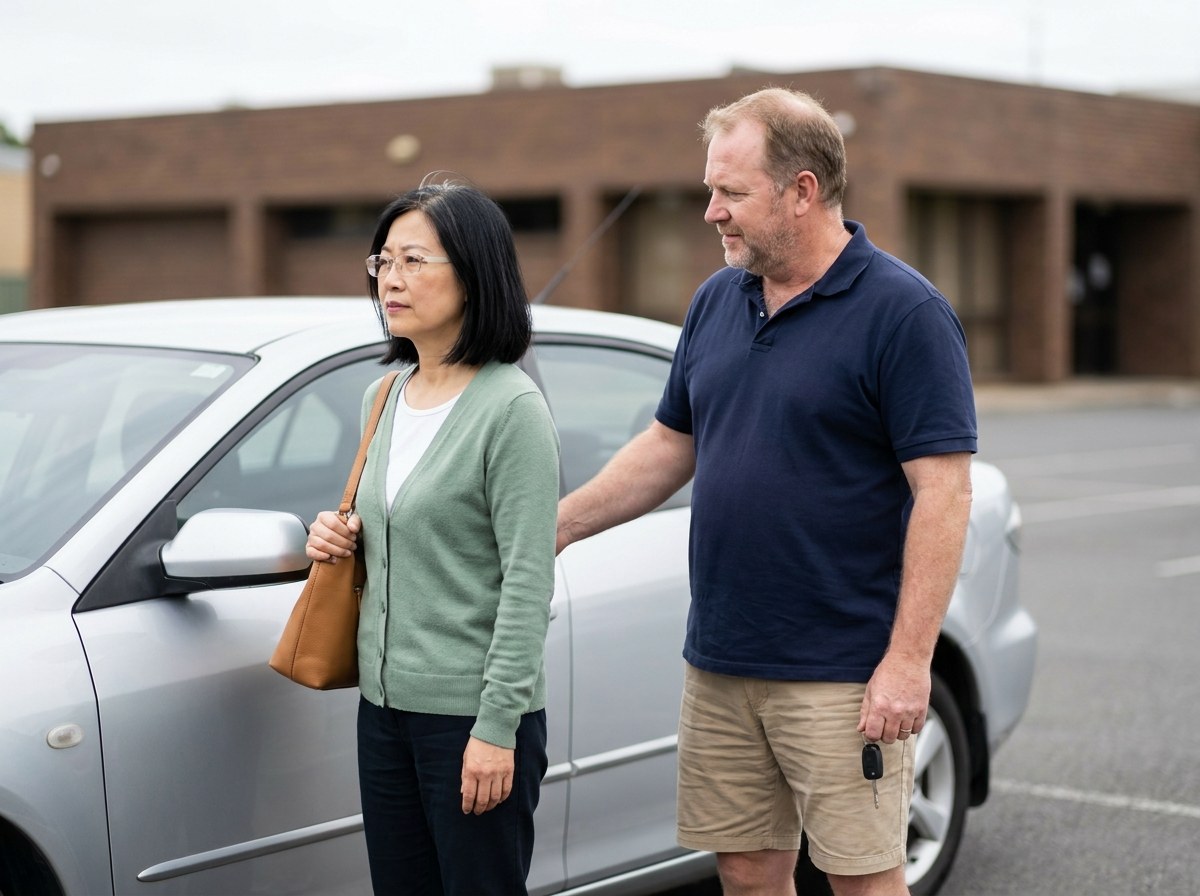
She went to the first appointments for the headaches on her own.
I didn't get to those. I didn't get to a lot of them early on.
It was a headache. That's what I had in my head. A headache, and a doctor for a headache.
Then the doctor said she needed to see a specialist about them.
That's when I started going.
When should my wife see a doctor or a specialist about perimenopause?
I'm not a doctor, and nothing here is me telling you what's going on with your wife.
What I can give you is the rule we came out with. Anything new. Anything getting worse. Anything that frightens either of you. See a doctor or a specialist in this field, and say it early rather than late. That rule has its own post, because not everything is perimenopause and she deserves to know which is which.
In our house it was the headaches that kept coming back. Dizziness with them. Blurred vision. The GP ran tests, found her iron was low, and we decided that was probably it.
It wasn't.
Did I go to her appointments?
Not at first.
I wasn't in the room for those early ones. And I wasn't there on the day she came home with the word perimenopause either. That story is on the podcast, in The Documentary Nobody Asked For.
What did I get wrong?
Hands up on this one.
A headache didn't seem like the kind of appointment a husband goes to. So I didn't. I let her go back for the same thing, more than once, on her own, and I missed what it meant that she kept going back.
She wasn't going to make a fuss. She doesn't like being a burden to anyone. And I took the quiet as a sign it wasn't serious.
What changed when I started going?
The word specialist.
Once a doctor says she needs to see a specialist, it is not just a headache anymore. It's the kind of appointment you don't get sent to for nothing.
Sitting in that room is where it landed for me. This was getting serious. And there was a word sitting at the back of both our minds the whole time that neither of us said out loud. How that year played out is in the headaches post.
I'd been hearing about it. Now I was seeing it.
Have I been to many since?
A lot.
The night she had heart palpitations, her heart racing, and we went straight to emergency. The night in emergency with her hip, when she could barely take a step, and the doctor on duty told us what these years can do.
I don't wait to be told it's serious anymore.
Which appointments should a husband go to?
Here's one of the tools. There are plenty.
Don't wait for the word specialist. Go to the ordinary ones.
The first visit about something new. The follow up. The one that's only to get some results back. If she wants you there, be there from the start, not from the day it gets frightening.
That's where you hear it first hand, instead of the short version at the end of the day. And she isn't carrying the whole account of it on her own.
Is it my place to be there?
It's her body and her call. Respect runs both ways, and some appointments she'll want on her own.
But when she wants you there, being there is the job. Not dropping her off. In the room.
I got there late. You don't have to.
Start With the Weather
The Weather Report is the two-page guide to reading these days: telling a storm warning from an overcast day from a fog day, and knowing the one thing to do in each. Free, on your phone in thirty seconds.