 The Perimenopause Husband
Perimenopause Heart Palpitations: The Night Her Heart Put Us in Hospital
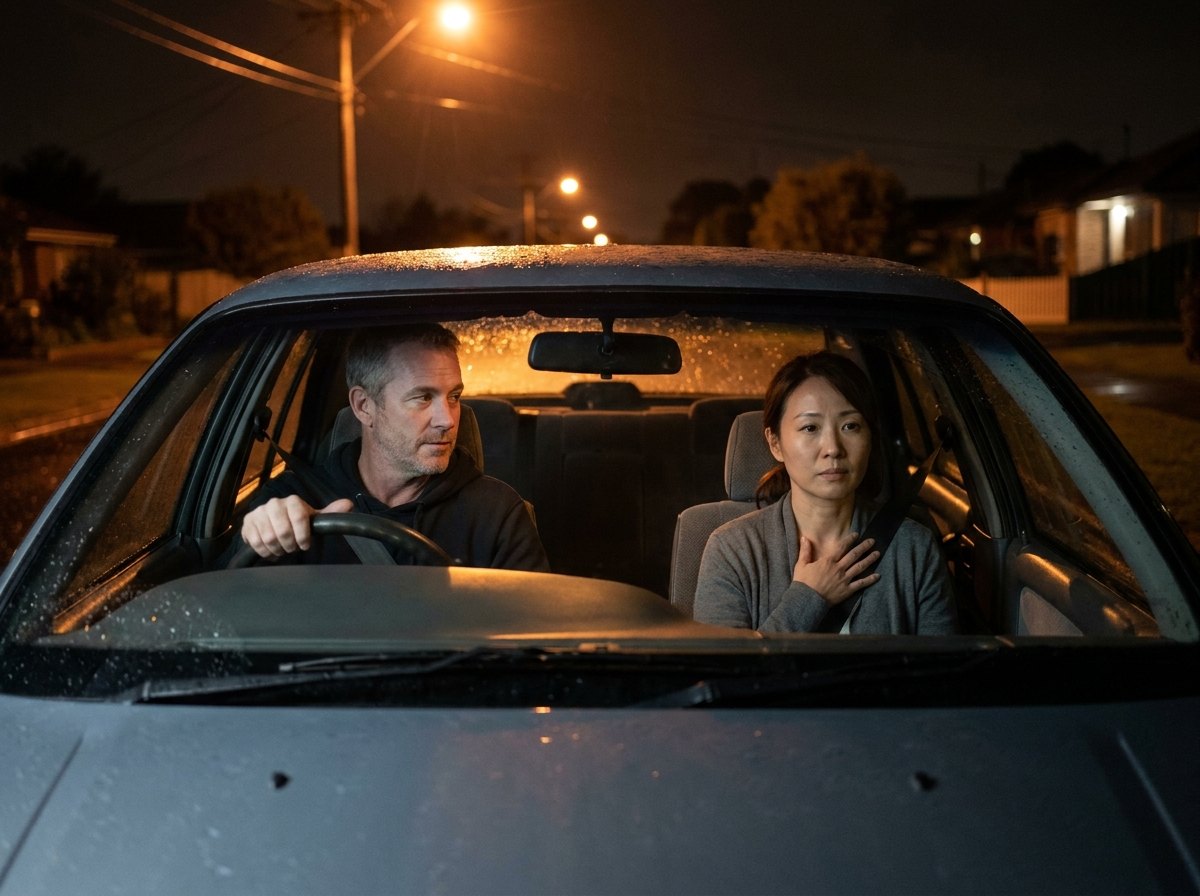
She'd been sitting downstairs, not feeling well. She said she wanted to go up and lie down.
I followed her up.
On the bed, she told me she was having heart palpitations. Her heart was racing, and she was lying still.
It wasn't the first time she'd had them. It was the time we went to hospital.
The times before, she'd told me she just needed to rest, and I took her word for it. This time it needed my attention, for her health and her safety.
Nobody said the word perimenopause that night.
Can perimenopause cause heart palpitations?
In our house, that is where it ended up. But not that night, and not for a long while after.
We were already waiting when it happened. The doctor didn't know what was going on, and she'd been sent on to a specialist. The kind you don't get sent to for nothing. Dizzy spells. Pins and needles. Headaches. Her heart racing, more than once. And then that night, it took off again.
That is our house. I can't tell you that is what it is in yours, and neither can anyone who has not seen her. Heart palpitations are something you get checked, every time, by a doctor or a specialist in this field. On the way through to menopause, the heart can be one of the places this shows up. It can also be something else, and she deserves to know which.
What happened next?
I said, okay, let's go to the hospital now.
I stayed with her. I quickly grabbed a few of her things, her wallet and her Medicare card, and made sure there was nothing else she wanted to take. Then we were off to emergency.
We went in thinking, finally, we'll find out. We came home with nothing.
It was only later, when the specialist had gathered everything up, that it came together. And the line that summed it up was mine, not the specialist's. Probably another bloody symptom of the same thing. Perimenopause, again.
What did I get wrong?
I'll own this one plainly. I got that night right. I can't say the same about the stretch before it.
For a long while, I had not accepted this was real. Dizzy spells, pins and needles, headaches, each one landed on its own, and none of it made sense to me. It started to make sense when we accepted it was real and started having the honest conversations. A few honest minutes through the day and the evening. Everything else is built on that.
What was going on for her that night?
She was playing it cool. A brave face for everybody, me included.
I could see through it. She was scared, because she didn't know what was happening to her either. Her body was doing something she had no say in, and nobody could tell her why.
If your wife is the type to say she's fine, that has its own story, the night upstairs when I took her word for it. On this one, read the brave face for what it is.
What was going on for me?
I'll be honest about what was in my head on the drive. Fear of the unknown.
Nobody could tell us what it was. And once a specialist like that is in the picture, your mind goes to the worst place there is.
That is normal. It is also not her job to carry it that night. Keep it in the car.
What do I say when her heart starts racing?
Here's one of the tools. There are plenty.
Don't say "it's probably nothing". It's never probably nothing until a doctor has said so. Say five words instead.
Get your shoes. I'm driving.
No debate about whether it's bad enough. No asking her to decide. She is the one with her heart going, she should not also be the one making the call. Or the one packing the bag.
Then see a doctor or a specialist in this field, and go with her. Not drop her off. Be there.
There is more to it than that, the in the moment stuff and what to do while you wait. That is in the book, in the chapter for the frightening ones, The Headaches That Scared Us Both.
Does it get easier?
Having a name for it did not fix it.
But it changed it. She went from something racing in her chest with no explanation to something with a doctor's view attached. That is worth the waiting rooms.
Start With the Weather
The Weather Report is the two-page guide to reading these days: telling a storm warning from an overcast day from a fog day, and knowing the one thing to do in each. Free, on your phone in thirty seconds.